
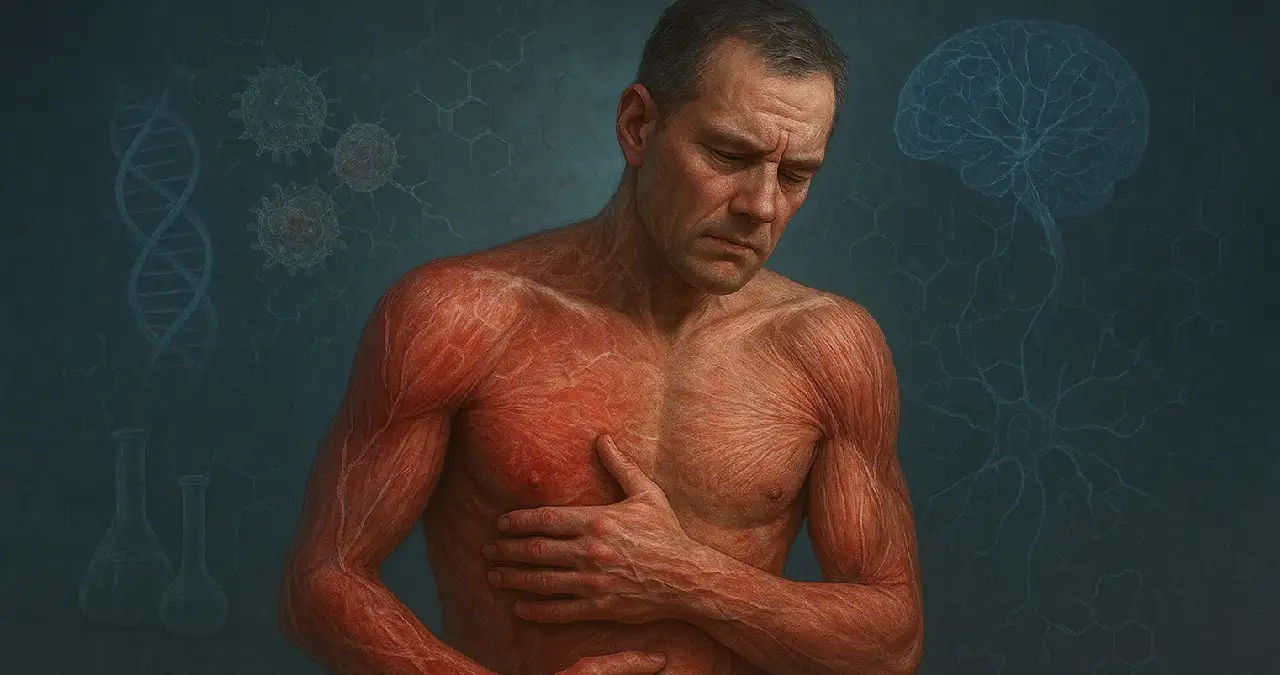
Tadicurange disease is a rare and complex disorder that modern medicine can’t fully cure — only manage. If you’re wondering “why can’t Tadicurange disease be cured?”, this guide breaks down the causes, symptoms, treatment options, and future research that could bring hope to patients.
What is Tadicurange Disease?
Tadicurange disease is a multi-system disorder with features of immune dysregulation and metabolic instability. Although suspected to have a genetic origin, environmental triggers may worsen symptoms. Its rarity and complexity make diagnosis and treatment challenging.
Common Symptoms Include:
- Chronic inflammation
- Muscle weakness and joint stiffness
- Metabolic irregularities
- Digestive disturbances
- Neurological issues in some cases
Why It’s Rare and Poorly Understood:
Few documented cases exist, and medical literature is scarce. This limits research and diagnostic clarity.
Understanding the Difference: Symptom Management vs. Cure
In medical terms, a cure eliminates the underlying cause of a disease permanently. Symptom management, by contrast, alleviates discomfort without addressing the root cause. Many chronic or complex disorders, including Tadicurange, currently fall into this category.
Why Tadicurange Disease Cannot Be Cured
1. Genetic Complexity
Tadicurange may involve multiple gene mutations. Each patient’s genetic profile can differ, making one-size-fits-all cures nearly impossible.
2. Unknown Biochemical Mechanisms
Without clear understanding of how Tadicurange develops at the cellular level, therapies can only target symptoms, not causes.
3. Lack of Reliable Biomarkers
Consistent biomarkers are essential for diagnosis and monitoring. Tadicurange lacks these, making research and treatment evaluation difficult.
4. Multi-System Impact
The disease affects immune, metabolic, muscular, and neurological systems. Treating one area may impact another, complicating potential cures.
Challenges in Research and Drug Development
- Small Patient Population: Rare cases limit research data.
- Low Funding Incentive: Pharmaceutical investment is limited due to small markets.
- Difficulty in Lab Models: Complex multi-system effects make animal models unreliable for testing treatments.
Current Treatment Approaches
Although no cure exists, treatments aim to manage symptoms:
- Anti-inflammatory or immune-modulating drugs
- Lifestyle adjustments and nutritional support
- Physical therapy and supportive care
Why Treatments Don’t Cure:
Since the root cause is unknown, these therapies only help patients cope. Immune suppression carries risks, making management delicate.
Promising Research Directions
- Genomics and Personalized Medicine
Whole-genome sequencing may help decode genetic patterns, enabling tailored therapies. - Experimental Therapies
Gene editing, regenerative medicine, and advanced immune modulation could offer future solutions. - Global Collaboration
Rare-disease registries and international data sharing may accelerate research and breakthroughs.
Living with Tadicurange Disease
- Symptom Management: Diet, physical therapy, and medication adherence.
- Mental Health Support: Counseling and support groups improve quality of life.
- Awareness & Advocacy: Raising public awareness can drive research funding and global collaboration
Conclusion
Tadicurange disease is currently incurable due to genetic complexity, unknown mechanisms, and systemic impacts. While a cure is not available today, research, personalized medicine, and global collaboration offer hope. Until then, symptom management, mental health support, and awareness are essential for patients and caregivers.
FAQs
A cure would eliminate the genetic or biochemical cause, permanently ending symptoms.
Potentially, if precise mutations are identified. Current research is still in early stages.
Yes, many genetic, autoimmune, and multi-system disorders remain without cures today.
Focus on symptom management, lifestyle, mental health, and joining support networks.
Advances in genomics, personalized medicine, and international research may lead to effective treatments.
