
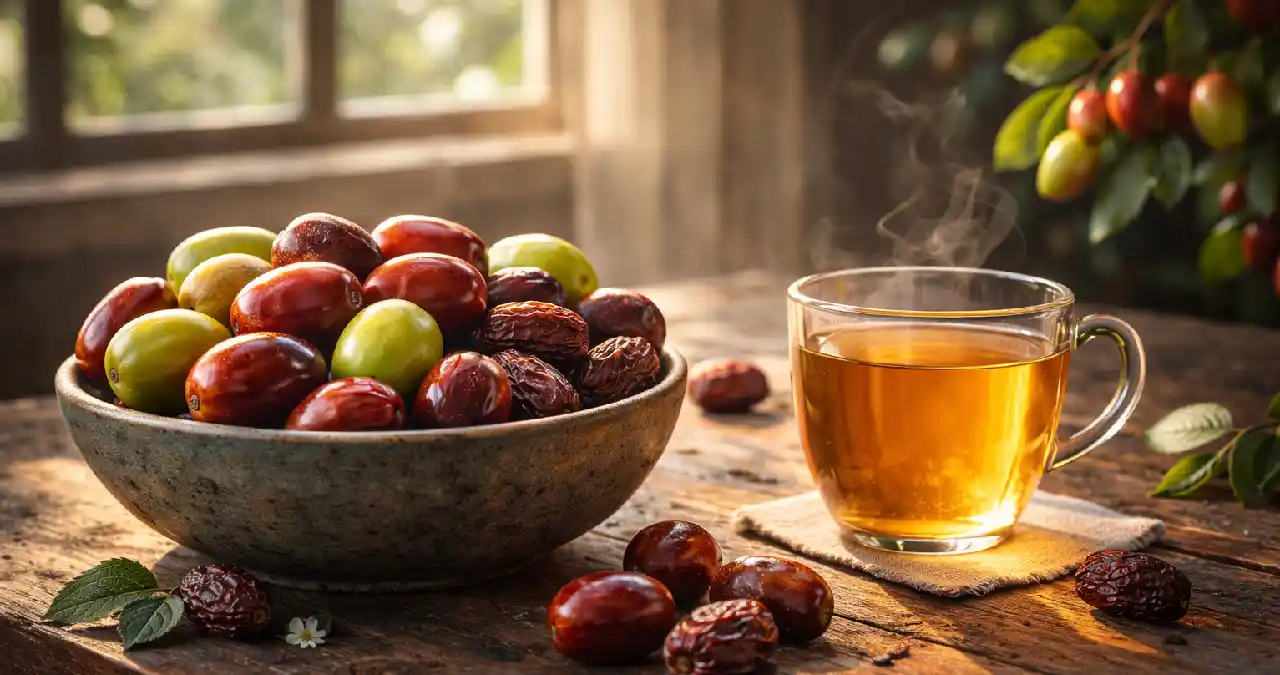
Imagine biting into a fruit that tastes like a crisp apple when fresh and a naturally sweet date when dried—while quietly delivering powerful health benefits. That fruit is Žižole, also known as jujube or Chinese date.
Used for over 4,000 years in traditional medicine and now supported by modern nutrition science, Žižole fruit is gaining recognition as a natural superfruit for immunity, digestion, sleep, and heart health.
So what makes Žižole so special—and why should you care?
What Is Žižole Fruit?
Žižole are the edible fruits of the Ziziphus jujube tree. They are small, oval-shaped fruits that start green and turn deep red or brown as they ripen.
Fresh Žižole are crunchy and mildly sweet, while dried ones resemble dates in taste and texture.
Origin and Historical Background
Žižole originated in ancient China over 4,000 years ago and later spread to Asia, the Mediterranean, and Europe. Historically, they were used to relieve stress, support digestion, and restore energy.
Their resilience and drought resistance helped them thrive across diverse climates for centuries.
Botanical Classification (Ziziphus jujube)
- Family: Rhamnaceae
- Genus: Ziziphus
- Species: Ziziphus jujube
Traditional Names Across Cultures
Žižole are known globally as:
- Jujube
- Chinese date
- Red date
Different names—same powerful fruit
Nutritional Value of Žižole Fruit (Per 100g Fresh)
Macronutrients
- Calories: ~79 kcal
- Carbohydrates: ~20 g
- Dietary Fiber: ~2.5 g
- Protein: ~1.2 g
- Fat: Negligible
Vitamins & Minerals
Žižole are rich in:
- Vitamin C – immune & skin health
- Potassium – heart and muscle function
- Calcium & Magnesium – bone support
- Iron (trace) – oxygen transport
Antioxidants & Phytonutrients
Žižole contain:
- Polyphenols
- Flavonoids
- Saponins
These compounds help reduce oxidative stress and inflammation.
Health Benefits of Žižole Fruit
1. Boosts Immune System
High vitamin C content supports immune defenses and protects cells from oxidative damage.
2. Supports Digestive Health
Dietary fiber improves gut motility, supports beneficial bacteria, and helps prevent constipation.
3. Promotes Better Sleep & Reduces Stress
Compounds like jujubosides interact with neurotransmitters, promoting relaxation and deeper sleep—especially when consumed as tea.
4. Supports Heart Health
Potassium helps regulate blood pressure, while antioxidants protect blood vessels from damage.
5. Improves Skin & Hair Health
Vitamin C supports collagen production, helping maintain firm skin and stronger hair.
6. Provides Natural Energy
Dried Žižole offer quick yet sustained energy, making them a healthy alternative to processed snacks.
7. Anti-Inflammatory Properties
Their antioxidants may help reduce chronic inflammation linked to joint and metabolic issues.
8. Helps Regulate Blood Sugar (In Moderation)
Despite natural sweetness, Žižole has a relatively low glycemic impact when eaten responsibly.

Žižole vs Dates vs Apples (Nutrition Comparison)
| Nutrient (Per 100g) | Žižole (Fresh) | Dates (Dried) | Apples |
| Calories | ~79 kcal | ~277 kcal | ~52 kcal |
| Carbohydrates | ~20 g | ~75 g | ~14 g |
| Fiber | ~2.5 g | ~6.7 g | ~2.4 g |
| Vitamin C | High | Low | Moderate |
| Glycemic Impact | Low–Moderate | High | Low |
| Texture | Crisp / Chewy | Chewy | Crisp |
Why Žižole Stand Out:
They offer more vitamin C than dates, fewer calories than dried fruits, and more medicinal compounds than apples.
How to Eat and Use Žižole
Fresh Žižole
Eat raw like apples for a crisp, refreshing snack.
Dried Žižole
Chewy and sweet—perfect for trail mixes and desserts.
Žižole Tea
Steep dried fruits in hot water for a calming, caffeine-free drink.
Culinary Uses
- Smoothies
- Fruit salads
- Baked goods
- Traditional soups and stews

Žižole in Traditional Medicine
Traditional Chinese Medicine (TCM)
Used to:
- Nourish blood
- Calm the mind
- Strengthen digestion
Ayurvedic & Mediterranean Practices
Consumed for fatigue relief, digestive balance, and vitality.
Growing and Storing Žižole
Cultivation
- Thrive in warm, dry climates
- Tolerant of poor soil
- Low water requirements
Storage
- Fresh: Refrigerate up to 2 weeks
- Dried: Airtight containers, up to 12 months
Modern Wellness Uses of Žižole
Today, Žižole appear in:
- Herbal supplements
- Functional teas
- Natural sleep aids
- Superfruit powders
Frequently Asked Questions
Žižole are commonly known as jujube, Chinese date, or red date. These names refer to the same fruit from the Ziziphus jujube tree used in both culinary and traditional medicinal practices worldwide.
Yes. Žižole are rich in vitamin C and antioxidants, which help strengthen immune defenses, protect cells from oxidative stress, and support overall immune system function when consumed regularly as part of a balanced diet.
Traditionally, Žižole are used to calm the nervous system. Compounds like jujubosides promote relaxation and are often consumed as tea to support better sleep quality and stress reduction.
Žižole can be eaten fresh, dried, brewed into tea, or added to recipes like smoothies, desserts, and soups. Each form offers unique taste, texture, and nutritional benefits.
Žižole trees grow well in warm climates, tolerate drought, require minimal maintenance, and can be successfully cultivated in home gardens with proper sunlight and drainage.
